

Essential Knowledge for Casino Players Concerning Casino Session Management

I’ve watched too many players take forever picking a game, then fly through account setup without a second thought. A session goes beyond the time you devote spinning reels or placing bets. It begins the moment you type your login details and concludes until you’ve logged out securely. créer un compte Malina Casino makes registration and login easy, but the real safety net is how you handle each session yourself. Most of the security hiccups and verification delays I see come from skipping a few basic housekeeping steps. Think of your session as a private conversation that nobody else should listen in on, and you’ll eliminate most risks. Let me walk you through what matters, from sign-up to that final logout click.
Setting up Your Account the Correct Way
The moment you choose to register at a platform like Malina Casino, your first session commences well before you look at the lobby. I always encourage people to get ready ahead of time. Use a valid email address that you alone can access, pick a password you’ve never used anywhere else, and make sure every personal detail aligns with your official documents precisely. In https://www.sweclockers.com/forum/trad/1117007-soker-bildkalla-till-poker-sida Belgium, operators must confirm your identity, and even a tiny difference between your registration form and your ID card can grind things to a halt. I never speed through the sign-up form because I know that entering the data correctly from day one is the cornerstone of a smooth ride.
The registration page requests a handful of details, and every field warrants your full attention. Type your name and address exactly as they are written on your government ID. If your street name has an accent or a special character, add it. I’ve helped players who got locked out of withdrawals just because they abbreviated “Saint” to “St.” during sign-up. Devoting an extra sixty seconds to verify everything avoids a ton of frustration later. Once the form is filled, you’ll set a password. I treat that as the most critical step of creating an account.
- Get a personal email address ready before you even open the registration page.
- Write your full legal name exactly as it is displayed on your ID card or passport.
- List your full home address, apartment number and all.
- Select a password you’ve never used anywhere else, combining uppercase, lowercase, numbers and symbols.
- Avoid public Wi-Fi when you’re inputting sensitive details.
Your First Login and Establishing Security
When you login for the first time, view it as a security checkpoint. After you input your email and password on Malina Casino’s login page, pause and survey. Can anyone see your screen? Are you using a shared device? If the response is yes, delay until you have some privacy. I only ever log in from my own phone or laptop, both locked with a passcode, and I never let the browser store my password, no matter how handy that option seems. I also close other tabs that might be logged into sensitive accounts, just to maintain the session clean. A tidy login routine is the easiest, cheapest security tool you own.
If two-factor authentication is available, turn it on. That second step signifies someone who obtains your password still cannot access without the code sent to your phone. Taking an extra five seconds to log in is a small price for that peace of mind. I also review the list of active sessions whenever the casino provides that option. If I notice a device or location I don’t recognize, I switch my password right away and message support. A quick glance at that list once a week takes almost no time and can catch trouble early.
Overseeing an Current Session Safely
An live session can linger far longer than you anticipate, especially if you get distracted. I compare it to leaving your front door unlocked while you’re in the kitchen. You’re still home, but someone might enter without you noticing. When I move away from the screen, even for a minute, I log out manually and close the tab. That takes two seconds and ends the session completely. A lot of players think exiting the browser is enough, but saved data can hang around, especially on public or shared machines. I’ve seen sessions stay alive on public terminals long after the player thought they’d left.

I also determine a mental time limit for every session and adhere to it. When I’m mindful about the clock, I’m less likely to make rash bets or forget to log out. Some casinos have built-in session reminders that pop up after a set number of minutes. I enable those straight away because they function as a neutral nudge back to reality. And I never, ever access my casino account on public Wi-Fi without a reliable VPN. Open networks make it far too easy for someone to capture your session data, and no win is worth that risk. A VPN secures your traffic, so even if someone intercepts it, they see nonsense.
Safe Betting Tools That Guide Your Session
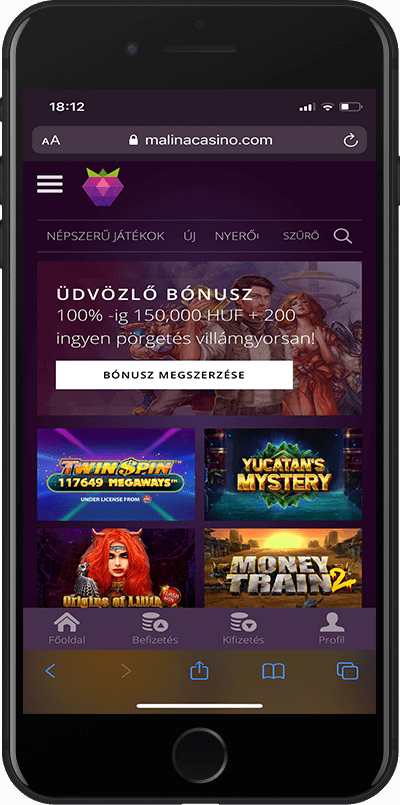
A well-managed session isn’t just about security. It’s about boundaries as well. I design every session around the responsible gambling tools the casino offers. Deposit caps, loss limits, wager limits, session timers: these aren’t restrictions. They’re dials I can tweak to keep my fun inside a space I control. When I configure a daily or weekly deposit cap, I eliminate the chance that one impulsive click will deplete more than I meant. That seems empowering, not restrictive. I can always lower a limit later if I wish to narrow things further.
I also enable reality check notifications at intervals I choose. These pop-ups halt the screen and indicate how long I’ve been playing and my win/loss for the session. That little pause often snaps me out of the zone where chasing losses seems logical. If I ever need a longer break, the self-exclusion and cool-off tools are right there. I’d advise you to explore these settings straight after your first login. It needs a few minutes, and the benefits persist the lifetime of your account. View them as guardrails, instead of handcuffs.
The Verification Process
Belgium requires verification isn’t optional. It’s a legal requirement that looks after you and the casino. When you get to the document upload step, note it’s a one-off task that rewards you for years. You’ll typically need a copy of your ID card or passport, a recent proof of address (like a utility bill or bank statement), and sometimes proof that the payment method belongs to you. I make sure every document is sharp, all four corners visible, and saved as a PDF or JPEG before I upload. Blurry photos or cropped edges are the fastest way to get a rejection.
The biggest holdup I see is expired or blurry documents. Your proof of address normally has to be less than three months old, and the name on every document must match your casino account exactly. Once you submit, Malina Casino’s review team typically move fairly fast, but I always upload documents well before I plan to withdraw a big amount. Delaying it to the last minute adds to stress. Verification is a secure handshake between you and the platform, and once it’s done, every future session runs smoother. I treat it like renewing a passport: handle it in advance so you’re not worrying later.
Safeguarding Your Credentials From Common Threats
Your username and password are the gateways to your casino identity. I protect them the very way I guard my bank credentials. I never reuse a password from another important service. A breach on one site instantly compromises every account that shares that key. Instead, I employ a long password phrase or a password from a reliable tool. Phishing frauds are getting more sophisticated, and I’ve seen emails and texts that look precisely like real casino messages. My principle: never tap a hyperlink in an unprompted message claiming to be from Malina Casino. I typically key in the address manually or use a bookmark I created. If I’m ever uncertain, I launch a fresh window and type the URL directly.
I also recommend setting up a distinct email address exclusively for your gambling. If that folder never sees marketing from other fields, it’s far easier to detect a fake communication. I never speak about my account funds or standing on social media or public boards. Even tiny scraps of data can assist someone build a targeted attack. Handle every session data as sensitive, and you’ll rarely run into a scenario that sets your assets at risk. The smaller you share, the narrower your attack scope.
Common Questions About Session Control
How much time does a standard casino session take?
There’s no universal rule, but I tell players to prepare in advance and keep sessions short enough that breaks feel natural. A balanced session usually runs between 30 minutes to 2 hours, with short pauses to check in with yourself. Use the timer in the responsible play tools so you don’t have to rely on willpower alone.
Is it safer to stay logged in on my personal phone?
A personal phone with a touch ID lock and updated software can be secure, but I still disconnect after every session. Keeping the session active all 20minutes.fr the time increases the risk if your phone ends up lost or used by someone else. Entering your password each time is a small insurance policy you provide for yourself.
How should I respond to an unrecognized login in my session records?
Change your password straight away, enable or re-set 2FA, and get in touch with support staff. I also scan my transaction history to confirm nothing shady has happened. Responding swiftly in those opening minutes cuts the damage an unauthorized user can cause.
Why does the verification process require documents I’ve already submitted?
Casinos might ask for fresh documents if your existing ones are no longer valid or a compliance review kicks in. I have a up-to-date utility bill ready every few months so I can react promptly. Continuous adherence is built into the system, and periodic re-verification indicates the casino regards its license responsibilities gravely.
Should I rely on a browser-based password manager for my casino credentials?
Browser password managers are useful, but they carry risks if your device gets hacked. I use a specialized, secured password manager that needs a main passcode. No matter which tool you choose, keep others away from your password vault, and sign out every time of the manager when you’re finished.